
Blog
Why Lebanese Food is One of the Healthiest Cuisines in the World

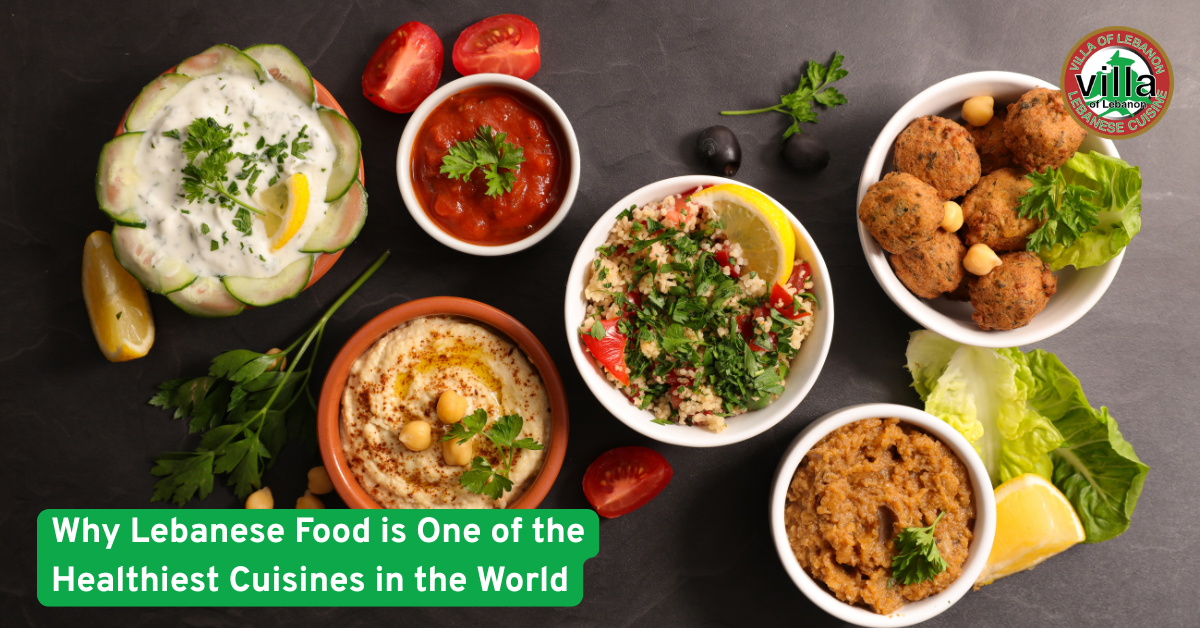
Lebanese cuisine is celebrated around the world not only for its rich flavors but also for its impressive health benefits. Rooted in the traditions of the Mediterranean region, Lebanese food focuses on fresh vegetables, lean proteins, whole grains, and healthy fats. Restaurants like Villa of Lebanon showcase these authentic dishes that combine taste with nutrition.
Many nutrition experts consider Lebanese cuisine part of the Mediterranean Diet, which is widely recognized as one of the healthiest dietary patterns in the world. From nutrient-rich dips like hummus to grilled meats and fresh salads, Lebanese dishes provide a balanced and wholesome dining experience.
Below are the key reasons why Lebanese food is considered one of the healthiest cuisines globally.
1. Rich in Fresh Vegetables
One of the main reasons Lebanese food is so healthy is its heavy use of fresh vegetables. Dishes often include tomatoes, cucumbers, eggplants, parsley, onions, and lettuce.
Popular dishes like Tabbouleh and Fattoush are packed with vitamins, antioxidants, and fiber. These ingredients help support digestion, boost immunity, and promote overall health.
Eating more vegetables also reduces the risk of chronic diseases such as heart disease and diabetes.
2. Healthy Fats from Olive Oil
Olive oil is a staple ingredient in Lebanese cooking. Instead of heavy butter or processed oils, most dishes use extra virgin olive oil for flavor and cooking.
Olive oil contains heart-healthy monounsaturated fats that help lower bad cholesterol and support cardiovascular health. Many traditional Lebanese appetizers, including Hummus and Baba Ghanouj, are prepared with olive oil, making them both delicious and nutritious.
3. Lean Protein Sources
Lebanese cuisine often features lean protein options such as grilled chicken, fish, and legumes. Dishes like Chicken Shawarma and Falafel provide essential nutrients while keeping fat levels relatively low.
Legumes like chickpeas and lentils are also commonly used. These plant-based proteins are rich in fiber, vitamins, and minerals that support muscle health and energy levels.
4. Balanced and Nutrient-Dense Meals
A typical Lebanese meal is naturally balanced. It often includes:
-
Fresh salads
-
Protein-rich grilled meats or legumes
-
Whole grains like bulgur
-
Healthy dips and spreads
This balanced approach helps provide the body with a wide range of nutrients without excessive calories or unhealthy fats.
5. Minimal Use of Processed Ingredients
Traditional Lebanese cooking relies on fresh, natural ingredients rather than processed foods. Herbs such as mint, parsley, garlic, and lemon juice are used to enhance flavor instead of artificial additives.
Because of this focus on natural ingredients, Lebanese meals are often lighter and easier to digest compared to heavily processed fast food.
6. High in Fiber and Antioxidants
Many Lebanese dishes contain fiber-rich ingredients like chickpeas, lentils, whole grains, and fresh vegetables. Fiber helps maintain digestive health, regulate blood sugar levels, and support weight management.
In addition, herbs and vegetables used in Lebanese cooking provide antioxidants that protect the body from inflammation and oxidative stress.
7. Encourages Shared and Mindful Eating
Lebanese dining culture encourages sharing multiple small dishes, often called mezze. This style of eating promotes variety and moderation, allowing people to enjoy several flavors without overeating.
Sharing meals also encourages slower eating, which can improve digestion and help people feel satisfied with smaller portions.
Why Lebanese Cuisine Continues to Gain Global Popularity
As people around the world become more health-conscious, Lebanese cuisine has gained popularity for its fresh ingredients and balanced nutrition. The combination of vegetables, healthy fats, lean proteins, and flavorful herbs creates meals that are both satisfying and nourishing.
Restaurants like Villa of Lebanon bring these authentic and healthy dishes to diners who want flavorful food without compromising their well-being.
FAQs
1. Is Lebanese food healthier than fast food?
Yes, Lebanese food typically uses fresh vegetables, olive oil, and lean proteins, making it much healthier than heavily processed fast food.
2. Is Lebanese food part of the Mediterranean diet?
Yes, Lebanese cuisine is closely related to the Mediterranean diet, which is widely recognized for its health benefits.
3. Are Lebanese dishes good for weight management?
Many Lebanese dishes are balanced and rich in fiber and protein, which can help support healthy weight management when eaten in proper portions.
4. What are some healthy Lebanese dishes to try?
Healthy Lebanese dishes include hummus, tabbouleh, grilled chicken shawarma, falafel, and fresh salads.
5. Is Lebanese food suitable for vegetarians?
Yes, Lebanese cuisine offers many vegetarian options such as falafel, hummus, baba ghanouj, lentil soup, and vegetable-based salads.