Blog
What Makes Lebanese Halal Food Different from Other Cuisines?

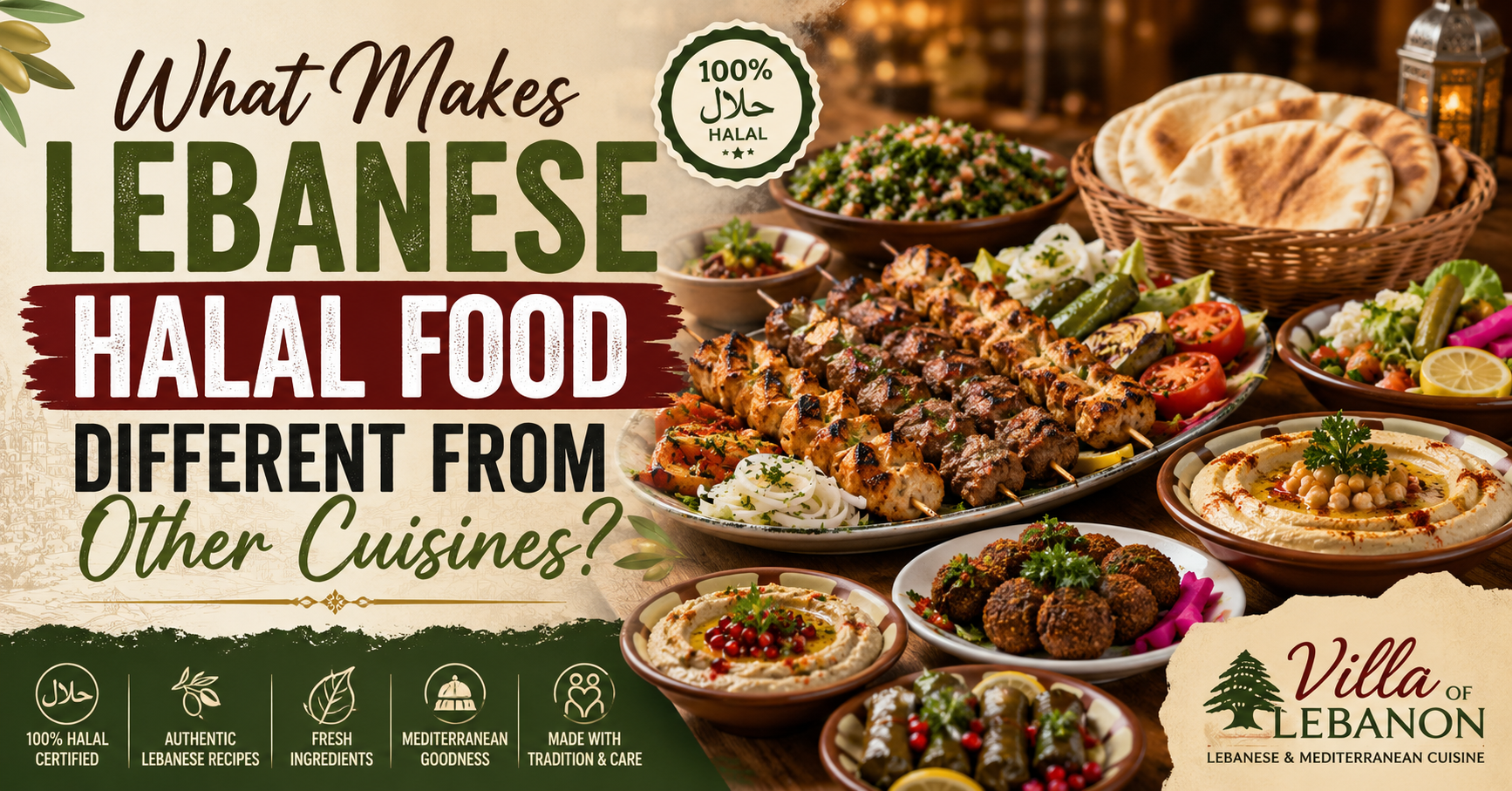
Lebanese halal food is different because it focuses on fresh ingredients, balanced flavors, halal-certified meats, and traditional cooking methods that highlight natural taste instead of heavy spices. Lebanese cuisine combines vegetables, herbs, olive oil, grilled meats, and wholesome grains to create meals that are flavorful, nutritious, and deeply connected to Middle Eastern culture.
What Defines Lebanese Halal Food?
Lebanese halal food follows Islamic dietary laws while preserving the authentic flavors of Lebanon.
Halal preparation requires meat to be sourced and processed according to Islamic guidelines. Lebanese dishes often feature lamb, beef, chicken, vegetables, legumes, olive oil, and fresh herbs. The cuisine emphasizes quality ingredients and careful preparation rather than relying on excessive seasoning.
Why Does Lebanese Cuisine Taste Different?
Lebanese cuisine tastes different because it balances flavors instead of overwhelming them.
Many cuisines use strong spices as the dominant flavor. Lebanese food uses herbs, citrus, garlic, olive oil, and mild spices to create freshness and depth. Ingredients such as parsley, mint, lemon juice, and sumac contribute bright flavors that complement the main dish.
How Does Lebanese Halal Food Use Fresh Ingredients?
Fresh ingredients are one of the most important characteristics of Lebanese halal food.
Vegetables, herbs, and fruits are commonly served fresh or lightly prepared. Salads such as tabbouleh and fattoush highlight parsley, tomatoes, cucumbers, and lettuce. Fresh ingredients help maintain natural flavors while adding nutritional value to every meal.
What Role Does Grilling Play in Lebanese Halal Cuisine?
Grilling is a traditional cooking method that enhances flavor without adding excessive fat.
Popular Lebanese halal dishes include grilled chicken, lamb kebabs, kafta, and mixed grills. The grilling process creates a smoky flavor while preserving the tenderness of the meat. This cooking style contributes to the lighter feel of Lebanese meals.
How Is Lebanese Halal Food Different from South Asian Halal Cuisine?
Lebanese halal food uses lighter seasoning and more fresh vegetables than many South Asian halal dishes.
South Asian cuisines often feature rich curries, complex spice blends, and slow-cooked gravies. Lebanese cuisine focuses on grilled meats, fresh salads, olive oil, and simple seasoning. Both cuisines follow halal principles, but their flavor profiles and cooking techniques differ significantly.
Why Is Olive Oil Important in Lebanese Cooking?
Olive oil is a foundational ingredient that adds flavor and supports traditional cooking methods.
Lebanese cuisine frequently uses olive oil in salads, dips, marinades, and cooked dishes. It provides richness without making meals feel heavy. Olive oil also complements vegetables, legumes, and grilled meats.
What Are the Most Popular Lebanese Halal Foods?
Several dishes represent the core of Lebanese halal cuisine.
Hummus combines chickpeas, tahini, lemon juice, and garlic. Shawarma features seasoned halal meat cooked on a rotating spit. Kafta consists of ground meat mixed with herbs and spices. Falafel offers a plant-based option made from chickpeas or fava beans. Tabbouleh and fattoush provide fresh and flavorful side dishes.
Why Is Lebanese Halal Food Considered Healthy?
Lebanese halal food is often considered healthy because it includes fresh vegetables, lean proteins, legumes, and healthy fats.
Many dishes contain nutrient-rich ingredients such as chickpeas, lentils, olive oil, herbs, and grilled meats. The cuisine relies less on heavy frying and processed ingredients than many fast-food alternatives.
How Does Lebanese Culture Influence Its Food?
Lebanese food reflects a tradition of hospitality, family dining, and shared meals.Many dishes are served as mezze, a collection of small plates shared among family and friends. This dining style encourages variety, social interaction, and a balanced eating experience.
Conclusion
Lebanese halal food stands out because of its fresh ingredients, grilled meats, balanced flavors, and adherence to halal principles. The combination of vegetables, herbs, olive oil, and carefully prepared proteins creates a cuisine that is both flavorful and nutritious. Its focus on freshness and simplicity makes Lebanese halal food distinct from many other culinary traditions around the world.
Craving authentic Lebanese halal cuisine made with fresh ingredients and traditional recipes? Visit Villa of Lebanon to enjoy flavorful shawarma, perfectly grilled kebabs, creamy hummus, fresh tabbouleh, and other classic Lebanese favorites. Family dinner, a casual lunch, or catering for a special event, Villa of Lebanon brings the rich taste and warm hospitality of Lebanon to every table.
FAQs
-
Is Lebanese halal food suitable for vegetarians?
Yes, Lebanese cuisine offers many vegetarian options, including falafel, hummus, stuffed grape leaves, and lentil-based dishes.
-
What beverages are commonly served with Lebanese halal food?
Traditional choices include mint lemonade, fresh juices, Arabic coffee, and yogurt-based drinks that complement the meal’s flavors.
-
Is Lebanese halal food spicy?
No, Lebanese food is generally mild. Most dishes focus on herbs, citrus, and aromatic seasonings rather than intense heat.
-
Can Lebanese halal food be customized for different dietary needs?
Yes. Many Lebanese dishes can be adapted for vegetarian, vegan, gluten-free, or dairy-free diets while still maintaining authentic flavors.
-
What desserts are popular in Lebanese halal cuisine?
Popular Lebanese desserts include baklava, maamoul, and knefeh, which are known for their rich flavors, nuts, and delicate sweetness.